
Reducing Attack Surface Exposure: Securing Administrative Interfaces in Energy Infrastructure
Customer Environment
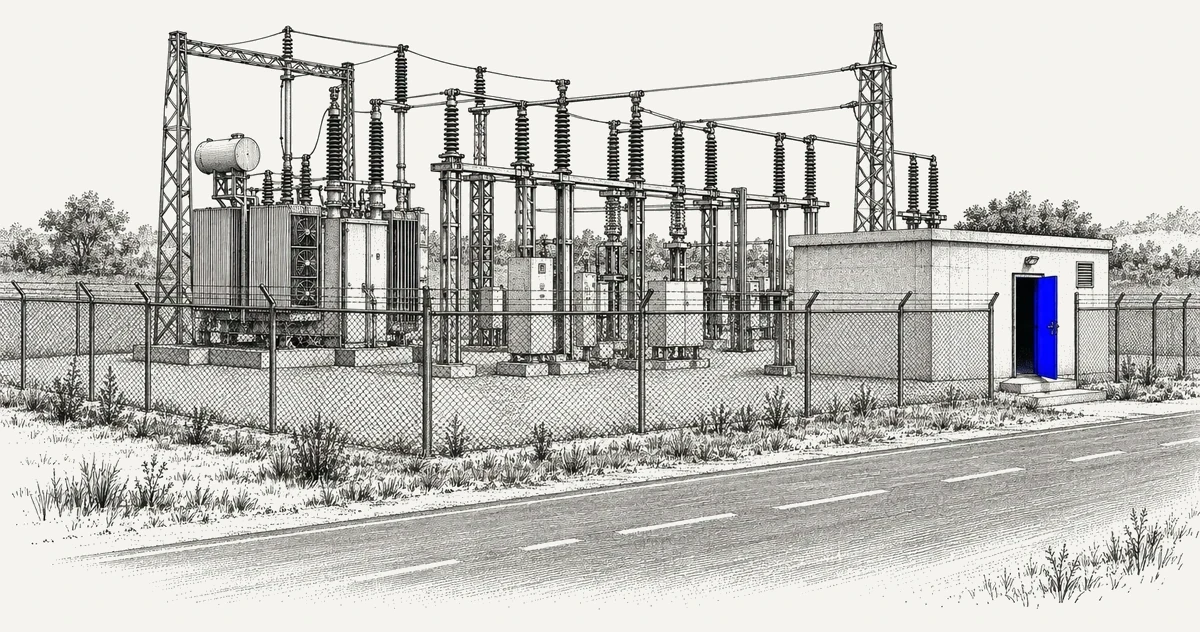
The customer is an energy company operating critical digital infrastructure that supports business operations and external services. Protecting internet-facing assets and minimizing unnecessary exposure are essential components of its cybersecurity strategy.
Operational Challenge
The organization needed continuous visibility into security misconfigurations across externally accessible infrastructure. As internet-facing services evolved, ensuring that administrative interfaces and authentication portals remained appropriately secured became increasingly important.
During routine monitoring, publicly accessible administrative and authentication interfaces were identified, including a firewall management portal and a webmail login page. These services are legitimate components of enterprise infrastructure, but direct internet exposure increases attack surface and creates opportunities for reconnaissance, credential-stuffing attacks, brute-force attempts, and exploitation of known vulnerabilities.
Without continuous external monitoring, these exposures could remain unnoticed, increasing the likelihood that attackers would identify and target them before security teams had an opportunity to evaluate the associated risk.
Detection and Security Operations
To improve visibility into externally exposed services, the organization implemented Cypho Attack Surface Management as part of its proactive security program.
Cypho continuously monitored internet-facing assets for security misconfigurations and exposed administrative services. During monitoring, the platform identified a publicly accessible firewall administration interface and an externally reachable webmail login portal, both of which were verified before being presented to security teams.
Verified findings were consolidated into a centralized workflow. Analysts could quickly assess the exposure, validate business requirements for internet accessibility, and determine the appropriate remediation strategy. Depending on operational needs, this included restricting administrative access, strengthening authentication controls, reviewing network exposure, and confirming that publicly accessible services complied with the organization's security policies.
This continuous monitoring approach allowed the organization to identify high-value attack vectors before they could be leveraged by threat actors.
Results
Reduced exposure of administrative interfaces
Internet-accessible administrative portals can become attractive targets for attackers seeking unauthorized access to critical infrastructure. Cypho identified a publicly accessible firewall management interface exposed to the internet and verified the finding for investigation. Security teams assessed whether external accessibility was required, reviewed administrative access controls, and evaluated opportunities to further restrict exposure.
The organization improved visibility into critical administrative services and strengthened governance over externally accessible management interfaces.
Improved protection against credential-based attacks
Public authentication portals are frequently targeted through brute-force attacks, credential stuffing, and password spraying. Cypho detected an externally accessible webmail login portal and presented the verified finding for review. Security personnel evaluated authentication controls, reviewed the necessity of internet exposure, and assessed additional safeguards such as access restrictions and stronger authentication mechanisms.
The organization enhanced its ability to reduce risks associated with externally exposed authentication services while supporting secure access for legitimate users.
Stronger external attack surface visibility
Maintaining awareness of all internet-facing services is challenging as infrastructure changes over time. Cypho continuously monitored externally accessible assets and identified security misconfigurations affecting high-value services. Verified findings enabled analysts to prioritize security reviews based on potential business impact instead of relying on periodic manual assessments.
Continuous monitoring improved attack surface visibility and helped the organization proactively address security exposures before they could be exploited.
Forward Security Priorities
The organization plans to further mature its attack surface management program by expanding automated monitoring of internet-facing assets, strengthening access controls for administrative services, and integrating external exposure findings into broader vulnerability management workflows. Cypho will continue supporting these efforts by providing continuous visibility into security misconfigurations, enabling faster remediation, reducing unnecessary exposure, and helping the organization maintain a more resilient external security posture.